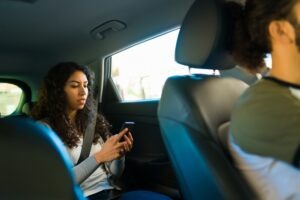
The hours before and after the Super Bowl are hectic, bringing heavier rideshare traffic across the area. Busy pickup zones and repeated pickups and drop-offs increase the risk of collisions, and most people are unprepared for what follows after a crash.
Accidents involving rideshare services raise liability issues that do not come up in typical car accidents. Questions about multiple insurance policies, app activity logs, and whether a driver was working at the time of the crash matter because they affect who pays for collision-related damages.
If you were involved in an Uber or Lyft crash during the Super Bowl, our San Jose car accident lawyer handles these cases and can explain how liability works and what damages may be available.
Why Super Bowl Rideshare Crashes Are More Complex Than Other Accidents
After the Super Bowl game ends, crowds leave the stadium at once, searching for Uber or Lyft rides. The rush of crowds leads to surge pricing, pushing more drivers onto already busy roads.
Drivers move quickly between pickups near unfamiliar locations, often close to groups waiting along the curb. That combination can change traffic patterns with little warning.
Any of the following scenarios can lead to a crash in Super Bowl traffic:
- Drivers cycling through pickups. High demand leads drivers to move rapidly between requests, increasing the chance of sudden stops or missed signals.
- Busy pickup zones. Stadium exits, hotel entrances, and parking areas create congestion that can cause side-impact (T-bone) collisions and rear-end crashes.
- Unclear passenger locations. When drivers slow down or change lanes unexpectedly while searching for riders, they may cause a crash.
- Late–night tiredness. Long hours on the road can reduce a person’s reaction time and attention. Failing to remain alert while driving can lead to collisions.
Any of these situations will also affect how fault and coverage are determined. After a rideshare crash, our personal injury lawyer serving San Jose reviews timing, location, and the driver’s app status to understand what happened. Those details also decide which insurance policy applies and how responsibility is shared.
How Uber and Lyft Insurance Coverage Works After an Accident
Insurance coverage in Uber and Lyft crashes depends on the driver’s app status at the time of the collision. That detail affects which policy applies.
Three main app status periods determine coverage:
- Offline: The driver’s auto insurance policy applies when the app is off or they are not active on it.
- Available and waiting: Limited rideshare coverage applies when the app is on, but the driver hasn’t accepted a ride request.
- En route or carrying a passenger: Uber or Lyft’s full commercial policy usually applies during an active trip.
If you were involved in an Uber or Lyft crash during Super Bowl traffic, these distinctions can affect how your case moves forward. Even with clear app status categories, it is not always obvious which one applied at the moment of the crash.
Our rideshare accident lawyer handling cases in San Jose will look for app records, timestamps, and trip data to confirm which policy applies.
Who May Be Responsible for a Super Bowl Rideshare Accident
Before liability can be sorted out in a rideshare crash, the facts have to be clear. That means understanding how the collision happened and who was involved. These cases rarely point to a single, obvious answer, which often adds to the frustration people face after a crash.
Possible liable parties in these cases include:
- The rideshare driver, especially when speed, distraction, or unsafe lane changes contribute to the collision.
- Another driver on the road whose actions contributed to how the crash occurred.
- Insurance tied to Uber or Lyft when the driver was logged into the app at the time.
- Property owners or event organizers who should address traffic flow, exits, or pickup areas that create unsafe conditions.
Identifying all parties involved helps clarify which damages may be available after the crash.
You Could Recover Various Damages After a Rideshare Crash
People injured in Uber or Lyft crashes have the right to seek damages under California law. Those rights apply to passengers, pedestrians, and others hurt in a rideshare-related collision.
California requires rideshare companies to carry insurance coverage when drivers are active on their platforms. Federal transportation rules also shape how these companies operate and manage safety. Together, these laws affect how injury claims are handled after a crash.
Damages in a rideshare accident case may include:
- Medical care: Hospital visits, follow-up treatment, and future medical needs related to the injury
- Time away from work: Wages missed during recovery and limits on future earning ability.
- Physical impact: Ongoing pain, reduced mobility, and limits on daily activities.
- Property loss: This includes damage and other personal property affected by the crash.
Our Crash Lawyers Handle Uber and Lyft Rideshare Injury Claims
When insurance coverage is unclear, a claim could stall, leaving crash damages unpaid. Our firm reviews all the details of the crash to keep the insurance company from delaying your claim, a common tactic used in these cases.
Crash evidence and insurance communication also affect how a case progresses, and we address those issues directly as the claim moves ahead.
Time limits apply if a claim isn’t resolved outside of court. Under CCP § 335.1, injured parties generally have two years to sue for damages. We keep the case on track and file it on time.
What if I Was a Passenger in an Uber or Lyft?
Passengers usually fall under the rideshare company’s highest coverage tier during an active trip. That policy may cover medical costs and other damages. We will review the details to determine how your claim should move forward.
Have you been involved
in an accident?
 (310) 526-8383
Steps That Help Protect a Super Bowl Rideshare Injury Claim
People injured in rideshare crashes after the Super Bowl may be confused about how to move forward. If you have been injured while driving or riding in an Uber or Lyft, you can take the following steps:
- Get medical care promptly at the ER or urgent care center: Your records of the early treatment you received for your injuries can help link them to the crash.
- Request the collision report: It can provide key details about how the crash occurred.
- Save trip information from the Uber or Lyft ride: Screenshots, receipts, and timestamps help confirm app status.
- Limit insurer contact: Early statements can create confusion about fault or injuries.
These steps help keep the focus on facts rather than assumptions.
We Handle Uber and Lyft Rideshare Injury Claims — Call Us
Rideshare crashes after major events often leave people sorting through injuries, time away from work, and questions about liability. These issues take time and focus to untangle, and that’s what we do.
Omega Law Group Accident & Injury Attorneys represents people injured in Uber and Lyft crashes throughout California. We put clients first, stay in contact, and explain what’s happening at each stage of the case. If there is no recovery of damages, there is no fee.
When rideshare coverage questions complicate a claim, our legal team provides steady guidance and clear answers. You can explore your legal options during a free consultation. Contact us today.