


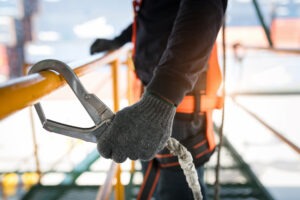
In most cases, fall protection is required when someone is working at a height of six feet or higher in construction and four feet or more in general industry. However, the right system depends on the task, the environment, and the type of equipment used.
Falls from height are one of the leading causes of serious injuries in the construction industry. Knowing at what height fall protection is required can help employers and workers reduce risks and follow safety measures that save lives.
Whether it’s steel erection, roofing, or using portable climbing equipment, each job carries its own risks. If you or a loved one got injured at work, a workers’ compensation lawyer in Los Angeles at Omega Law Group Accident & Injury Attorneys can answer all your questions.
Fall Protection Myth vs. Reality: There’s No Universal Number
Fall hazards vary from one job to the next. A worker on scaffolding may need different protection than someone working around a skylight or climbing a steel frame. The equipment and safety rules depend on the task.
Employers can’t just focus on how high someone is working. They need to check the work area for dangers and take action. That may involve putting up guardrails, providing personal fall arrest systems, or using other safety equipment. Waiting until an accident happens is too late.
Understanding OSHA’s Approach: Fall Hazard-Based, Not Just Height-Based
Fall protection rules aren’t determined by height alone. OSHA laws and regulations set requirements based on the type of work and the hazards workers face. Employers need to assess the hazards at the worksite, not just the height of a potential fall.
Employers need to check for hazards before work begins and make sure employees have the right personal protective equipment (PPE). Written safety procedures and plans also help workers understand what precautions they need to take.
An open hoist area or an unprotected platform can be just as concerning as work performed on a roof. Depending on the risks, employers may need to install guardrails, provide fall arresters, or use safety net systems to help prevent serious injuries.
OSHA’s General Industry Safety Standards
In general industry work, fall protection is required at heights of four feet or more. This includes jobs outside of construction, like warehouse work or maintenance.
Workers who use ladders, scaffolds, or raised platforms need to know how to work safely. They also need the right personal protective equipment (PPE). Depending on the job, that may include guardrails or a fall arrest system to help prevent serious injuries.
What Is the Four-Foot Rule?
In general industry workplaces, OSHA typically requires fall protection when workers are exposed to unprotected sides or edges that are four feet or more above a lower level. This can apply in places like:
- Warehouses
- Loading docks
- Manufacturing plants
- Repair shops
- Maintenance areas
Falls can happen when hazards go unchecked. Employers need to spot these dangers and put the right protections in place. The rules vary depending on the job and the conditions at the worksite.
Construction Sites: The Six-Foot Rule (and Beyond)
On construction sites, fall protection is required at 6 feet or more, especially when working on unprotected edges, roofing, or scaffolding. 29 CFR 1926 Subpart M, Subpart L, and Subpart R cover various parts of construction work, including steel erection and residential building tasks.
Written fall protection plans are especially important on roofing projects. They must cover fall distance, anchorage points, and approved personal fall arrest systems. To learn more, talk to Omega Law Group for free.
Who Pays for Damages After a Fall from Heights at Work?
When a worker is hurt in a fall, their costs can include medical bills, lost income, and long-term care. Who pays those costs depends on the situation. Some workers are covered through workers’ compensation, while others may have a legal claim if safety rules were ignored or if faulty equipment caused the fall.
Contract workers or those in small residential construction jobs may not always have the same coverage. Additionally, in most cases, workers’ comp does not pay for pain and suffering or any other non-economic damages.
Workers’ Compensation vs. Personal Injury Claims
If you fall and get hurt at work, you may qualify for workers’ compensation benefits. These benefits can help pay for:
- Medical care and treatment
- Part of your lost wages while you recover
- Disability benefits if your injuries affect your ability to work
But workers’ compensation isn’t always your only option. Did unsafe work areas, defective equipment, or inadequate training contribute to your fall? You may have grounds for a personal injury claim against another responsible party.
Unlike workers’ compensation, a personal injury lawsuit may allow you to seek additional damages, depending on the circumstances.
The right path depends on what happened and who was at fault. A lawyer can review your situation, explain your options, and help you understand what compensation you may be able to pursue.
What is the Waiting Period for Workers’ Compensation?
In most cases, workers’ compensation benefits do not begin immediately after a workplace injury. There is usually a short waiting period before wage replacement benefits become available.
This waiting period is typically three days in California. In other states, it may be as long as seven days. If the injury results in a longer recovery time (more than 14 days in California), some states allow retroactive payment for the waiting period. You can find out more about the waiting period for workers’ compensation by calling us.
Employers are responsible for informing employees of the workers’ compensation process, including the waiting period and how to submit a claim. Call Omega Law Group now to learn more.
What Should You Do After a Fall at Work? Know Your Rights
A fall at work can leave you with serious injuries, medical bills, and time away from your job. You have rights, and you shouldn’t have to figure everything out on your own. Report the accident, get medical attention, and document what happened.
If your fall involved dangerous equipment, missing safety nets, or faulty fall arrest systems, those details could matter. Safety requirements may include personal fall arrest equipment, safety net systems, and other fall protection systems, depending on the job and work conditions.
Speaking with a work injury lawyer can help you understand your options. An attorney can review the circumstances of your fall, explain your rights to workers’ compensation benefits, and determine whether you may have a separate claim against a third party.
Have you been involved
in an accident?
 (310) 526-8383
Trust Our Award-Winning Team After a Fall
At Omega Law Group, we take pride in the recognition we’ve earned for our legal work and commitment to our clients. Our awards and professional distinctions reflect our dedication to helping injured people pursue justice. Some of our recent honors include:
- Best Lawyers: Named one of the Best Law Firms in the United States in 2025 and 2026.
- Best of Inland Empire: Community-voted recognition for Best Accident Law Firm, Best Personal Injury Attorney, and Best Legal Services.
- Super Lawyers: Featured in the Super Lawyers attorney directory.
- Local Readers‘ Choice Awards: Recognized by The Sacramento Bee (2024 and 2025), The Fresno Bee (2024 and 2025), The Modesto Bee (2025), and the Daily News (2025).
- Multi Million Dollar Advocates Forum: Attorneys recognized as members of this professional organization.
- TopVerdict.com: Recognized for notable jury verdicts and settlements, including the No. 1 California bus accident jury verdict in 2025.
- Professional Ratings and Accreditation: Holds an A+ rating from ChamberofCommerce.com, BBB accreditation, and an Avvo 10.0 Superb rating.
Talk to Our Construction Accident Lawyers Today to Find Answers
Now you know the height at which fall protection is required. If you or a loved one was injured in a fall from height while working in construction or general industry, you may have questions about what comes next.
A work injury lawyer at Omega Law Group Accident & Injury Attorneys can help explain your options, including how to handle medical costs, lost wages, or long-term effects.
Speaking with an attorney early may help protect your rights and ease the stress that often follows injuries from construction sites. Visit our FAQ page to learn more.
