


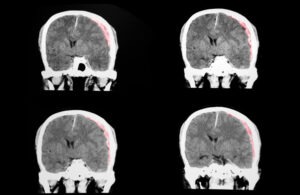
A level 4 brain injury may refer to a serious brain injury, but the term is not a universal medical diagnosis and can have different meanings depending on the assessment used. If you are asking, “What does a level 4 brain injury mean?” you may want to understand its severity and potential effects on recovery, daily life, and long-term function.
Brain injury terminology can be confusing because providers may use different scales to describe consciousness, severity, and long-term function. These may include the Glasgow Coma Scale, Rancho Los Amigos levels, post-traumatic amnesia, and other neurological assessments.
Understanding the basics can help you better communicate with doctors, insurers, and others involved in your care after a serious head injury. To learn more, contact a West Hollywood brain injury lawyer today to discuss your options.
How Serious Is a Level 4 Brain Injury?
A level 4 brain injury may be serious, but its meaning depends on the medical scale used. It may refer to reduced consciousness or function after head trauma, or a stage of recovery rather than a specific injury grade. This kind of severe brain injury may affect how you think, speak, move, remember, and respond to the world around you.
In serious cases, a person may need emergency treatment, extended hospitalization, intensive care, and long-term supportive care. Severe traumatic brain injuries can involve brain swelling, bleeding, diffuse axonal injury, or other complications that require close monitoring.
Because traumatic brain injury terminology is not always used consistently, ask the treating medical team what “level 4” means in your specific situation. The exact meaning may depend on the scale or assessment method being used, along with the person’s Glasgow Coma Scale score, imaging findings, and current level of cognitive function.
What Does “Level 4” Mean in Brain Injury Terms?
The phrase “level 4 brain injury” is not always a single, universal diagnosis. It may refer to a ranking on a medical scale that measures consciousness, responsiveness, or recovery after a traumatic brain injury or other serious brain injury.
Providers may use numbered systems to describe alertness, responsiveness, or recovery after head trauma, but the same number can mean different things depending on the scale. For example, the Glasgow Coma Scale assesses consciousness, while Rancho Los Amigos Level IV describes a confused and agitated stage of recovery.
The label alone does not show the full severity of a brain injury. Medical records, physician explanations, imaging, and care recommendations provide more context, including loss of consciousness, altered mental status, skull fracture, bleeding, or ongoing cognitive impairment.
What Symptoms Can Happen After a Severe Brain Injury?
Symptoms after a severe brain injury can vary depending on the part of the brain affected and the extent of the trauma. Some appear immediately, while others become clearer as the person moves from emergency care into rehabilitation and longer-term recovery.
Common effects may include:
- A person may lose consciousness or have a greatly reduced level of awareness.
- A person may have trouble speaking, understanding, or communicating.
- A person may experience memory loss, confusion, or major changes in thinking.
- A person may have weakness, coordination problems, or loss of motor control.
- A person may show emotional changes, agitation, or unusual behavior.
- A person may need help with basic daily tasks such as eating, dressing, or moving safely.
Serious traumatic brain injuries can cause complications such as seizures, headaches, dizziness, vision or sleep problems, and personality changes. They may also affect attention, impulse control, balance, or speech and language, with symptoms sometimes continuing long after the accident.
Can a Severe Brain Injury Lead to a Legal Claim?
Yes, a severe brain injury may lead to a legal claim when another person or entity caused the injury through negligent or wrongful conduct. Traumatic brain injuries can result from car crashes, falls, workplace incidents, sports impacts, pedestrian accidents, motorcycle collisions, bicycle crashes, or unsafe property conditions.
A legal claim may seek compensation for losses related to the injury, including medical bills, rehabilitation, lost wages, reduced earning ability, pain and suffering, and long-term care. Depending on the circumstances, compensation may also account for future medical treatment, therapy, mobility assistance, or reduced quality of life.
Because brain injury claims can involve detailed medical issues, evidence is important. Medical records, imaging, treatment plans, medical opinions, accident reports, employment records, and documentation of changes in cognition, behavior, or daily functioning may help establish the injury’s impact.
Why Families Turn to Us
At Omega Law Group Accident & Injury Attorneys, we put clients first through individualized attention and direct communication. Our firm has more than 20 experienced attorneys serving personal injury clients, and we are available 24/7 to receive calls from prospective clients.
Formed in 2016, we have recovered millions of dollars for injured clients. Every case is different, and prior results do not guarantee a similar outcome, but serious injury claims, including traumatic brain injury cases, often require careful preparation, clear communication, and a thorough understanding of long-term damages.
These damages can include rehabilitation costs, permanent impairment, future medical care, and the real-world impact a catastrophic brain injury can have on daily life.
Have you been involved
in an accident?
 (310) 526-8383
Talk to Us About a Level 4 Brain Injury
If you or a loved one is dealing with a level 4 brain injury after an accident, you do not have to sort through the medical and legal issues alone. At Omega Law Group, we can review your situation, explain your options, and help you understand what steps may be available after a severe head injury.
A severe brain injury can affect your health, work, independence, and family life. If you are wondering how a level 4 brain injury is defined, we can discuss your circumstances and explain how we may help you pursue compensation for losses related to a traumatic brain injury.
