


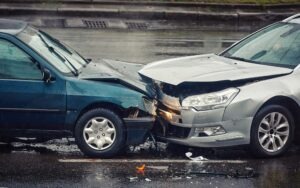
If you get in an accident on Pacific Coast Highway, you should move to safety if possible, call 911, get medical attention, exchange information, document the scene, and avoid saying anything that could hurt your claim. Taking the right steps early after a Pacific Coast Highway car accident can protect both your health and your ability to recover compensation.
A crash on PCH can be especially stressful because of heavy traffic, changing road conditions, sharp curves, ocean glare, limited shoulders, and the mix of local and tourist drivers. What you do in the minutes and days after a collision can make a real difference in your claim.
If you were hurt and are unsure what to do after a Pacific Coast Highway accident, contact a West Hollywood car accident lawyer today to discuss your options.
What Should You Do First After an Accident on Pacific Coast Highway?
Your priority should be safety. If your vehicle can be moved and it is safe to do so, pull out of traffic to help reduce the risk of another collision. Turn on your hazard lights and stay alert to passing vehicles while you wait for help.
Call 911 to report the crash and request emergency help if anyone may be injured. Even if injuries seem minor, having police and medical responders at the scene can document what happened. Quick reporting can also help manage traffic hazards, debris, or other dangers on the highway.
If you are physically able, check on others without putting yourself in danger. Try to remain calm and avoid arguing with the other driver about who caused the crash. If it is safe, wait in a secure area away from moving traffic until help arrives.
Should You Call the Police After a Pacific Coast Highway Crash?
Yes, calling the police is usually an important step after a collision on Pacific Coast Highway. A police report can document basic facts about the accident, identify the parties involved, and note statements or observations made at the scene.
This report may later help when dealing with insurance companies or pursuing a legal claim after a Pacific Coast Highway crash. If officers respond, answer questions honestly and stick to the facts, but do not guess or speculate about speed, fault, or injuries.
If police do not come to the scene, you should still document the crash carefully and follow any reporting requirements that may apply. Keeping clear records can help support your version of events. It can also help to write down the name of the responding agency, the officers’ names if available, and any report or incident number connected to the accident.
What Information Should You Exchange With the Other Driver?
You should exchange basic identifying and insurance information with the other driver. Keep the conversation brief and focused on necessary details rather than blame.
Try to collect the following:
- The other driver’s full name and contact information.
- The other driver’s license number and license plate number.
- The other driver’s insurance company name and policy information.
- The make, model, and color of each vehicle involved.
- The names and contact information of any witnesses.
If possible, also note whether the other vehicle appears to be a rental car, rideshare vehicle, commercial vehicle, motorcycle, or truck, since that may affect which insurance policies apply. If the other driver is angry, uncooperative, or appears impaired, do not escalate the situation. Wait for law enforcement and focus on your own safety at the accident scene.
What Should You Avoid Doing After a PCH Accident?
What you avoid can be just as important as what you do. After a Pacific Coast Highway crash, try not to say or do anything that could later be used against you in an insurance claim or personal injury case.
Be careful to avoid these common mistakes:
- Do not admit fault at the scene.
- Do not apologize in a way that suggests responsibility.
- Do not give a recorded statement to an insurance company before understanding your rights.
- Do not post details or photos of the accident on social media.
- Do not delay medical treatment if you may be injured.
Be careful when discussing the collision with anyone other than medical providers, your lawyer, or your insurer. Avoid casual statements that could be taken out of context, and do not sign releases or settlement documents before understanding your injuries and property damage.
When Should You Report the Accident to Your Insurance Company?
You should generally notify your insurance company soon after the accident. Many policies require prompt notice, and delaying too long could create unnecessary issues with your car accident claim.
When reporting the crash, provide basic factual information about when and where it happened and who was involved. Do not exaggerate, guess, or speculate, and do not accept blame if the facts are still being investigated.
If another insurer contacts you, be cautious about giving a detailed statement or signing anything before understanding your legal position. Keep copies of claim numbers, emails, estimates, and other insurance documents for your records.
Have you been involved
in an accident?
 (310) 526-8383
Why Contact Us?
At Omega Law Group Accident & Injury Attorneys, we put our clients first and provide individualized attention throughout a personal injury claim. We have more than 20 experienced attorneys serving personal injury clients, and we are available 24/7 to receive calls from prospective clients. We also offer assistance in Spanish.
Founded in 2016, we have recovered millions of dollars for injured clients.
Contact Us After a Pacific Coast Highway Accident
If you are unsure of what steps to take after an accident on Pacific Coast Highway, contact us at Omega Law Group. We can help you understand the process, protect your rights, and determine whether you may have a claim for compensation after a Pacific Coast Highway car accident.
The consequences of a crash can feel overwhelming, especially when you are trying to recover physically while dealing with insurance issues, medical treatment, vehicle repairs, and time away from work.
Reach out to us today to discuss your situation and learn how we may be able to help after a serious PCH accident.
