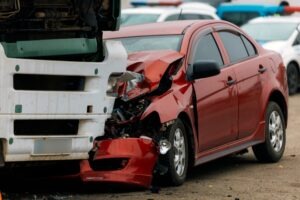
A truck can be safer than a car in an accident for its occupants, particularly in a collision with a smaller vehicle. However, size alone does not determine safety. The truck’s design, speed, safety features, and type of crash all affect your risk of injury.
If you were injured in a collision, a lawyer can investigate what happened, identify who may be responsible, and explain your options for seeking compensation. Discuss your situation with a West Hollywood truck accident lawyer today.
How Can a Truck Be Safer Than a Car in a Collision?
A heavier vehicle generally has an advantage over a lighter one in a collision. The heavier vehicle typically experiences a smaller change in speed during impact, reducing the forces on the people inside. Longer front ends can also provide more space to absorb energy in a frontal crash.
However, whether a truck is safer than a car in a collision also depends on how the vehicles’ protective structures line up. A higher ride height does not automatically provide better protection. When those structures do not align, the smaller vehicle’s occupants can face greater danger.
When is a Truck Less Safe Than a Car in an Accident?
A truck may be less safe than a car in an accident involving a rollover. A higher center of gravity can increase rollover risk, particularly during sharp turns or sudden steering changes. Cargo placement and load movement can also affect stability.
Large commercial trucks present additional challenges. Their longer stopping distances, wide turns, and large blind spots can make it harder to avoid a collision.
Your seat belt use, the driver’s speed, road conditions, and vehicle maintenance also affect the outcome. A truck’s weight cannot compensate for unsafe driving or worn brakes.
Are Pickup Trucks and Commercial Trucks Equally Safe?
A personal pickup and a tractor-trailer should not be treated as the same when comparing safety. They differ in weight, braking systems, handling, and the protection they offer occupants.
A tractor-trailer’s height creates an additional risk, such as a smaller vehicle sliding beneath the trailer during a collision. Underride guards can help prevent this, but their effectiveness depends on their design and the circumstances of the impact.
The legal requirements can differ, too. Depending on the vehicle and its use, commercial operations may be subject to rules governing driver qualifications, driving hours, inspections, and maintenance. We review which requirements apply to the truck involved in your crash.
How Do Safety Features Affect Your Protection?
When comparing truck and car safety in an accident, consider the specific model, model year, and equipment.
For example, the following safety features serve different purposes:
- Seat belts and airbags help protect occupants during impact.
- Electronic stability control helps reduce loss of control.
- Automatic emergency braking can help prevent certain collisions or reduce impact speed.
- Blind-spot warnings can alert drivers to nearby vehicles, but they do not replace checking before changing lanes.
These systems have operating limits. Weather, sensor condition, maintenance, and driver response can affect their performance. The presence of safety technology does not establish that a vehicle was operated safely.
Which Truck Crashes Can Cause Severe Injuries?
The direction of impact and how the vehicles move during a collision can affect the injuries you sustain. Dangerous crash types can include:
- Rear-end collisions: A large truck may be unable to stop in time to avoid striking traffic ahead.
- Side-impact collisions: A truck can strike near a car’s occupants, leaving less space to absorb the impact.
- Underride collisions: A car can pass beneath a truck or trailer, allowing it to intrude into the truck’s or trailer’s passenger compartment.
- Rollovers: A truck can overturn, injuring its occupants and striking nearby vehicles.
- Jackknife collisions: A tractor and trailer can fold toward each other, obstructing traffic or hitting other vehicles.
You can suffer serious injuries in either vehicle. If you have been hurt, your medical records and treatment needs help establish the effect of the crash on your health and daily life.
Have you been involved
in an accident?
 (310) 526-8383
Who May Be Responsible for a Truck Accident in California?
Driving the larger vehicle does not automatically make someone responsible for a crash. California’s general negligence rule holds people responsible for injuries caused by a failure to use ordinary care. Your claim must connect the alleged wrongdoing to your injuries.
Depending on the evidence, we may investigate the driver, trucking company, maintenance provider, cargo loader, or another involved party. A defective vehicle component may also support a claim against its manufacturer.
What Evidence Do We Review?
We examine how the collision occurred and whether unsafe driving, equipment failure, or loading practices contributed to it. Relevant records may include:
- Police reports, witness accounts, and photographs.
- Dashcam footage and available vehicle event data.
- Driver logs and hours-of-service records.
- Inspection, repair, and maintenance records.
- Cargo loading and securement records.
- Medical records and documentation of your financial losses.
Some footage and electronic records may be overwritten or lost. Early legal help allows us to identify available evidence and request its preservation.
What Should You Do After a Truck Crash?
Seek medical attention and follow your treatment instructions. If you can safely gather information at the scene, record the truck’s identifying details and the names of any witnesses.
To help document your injuries and potential claim:
- Call 911 if anyone is injured or there is an immediate danger.
- Exchange driver, vehicle, and insurance information.
- Photograph vehicle damage, road conditions, and visible injuries.
- Save medical bills, receipts, and records of missed work.
- Notify your insurer as required by your policy.
- Get legal advice before accepting a settlement or signing a release.
When we review your situation, we can explain which records to keep, address insurance questions, and identify the deadlines that apply to your case.
Talk to Omega Law Group About Your Truck Accident
At Omega Law Group Accident & Injury Attorneys, we can review how your crash happened and whether you have a claim for compensation. We will explain your options and discuss how your injuries, treatment, and time away from work may affect your case.
We offer free consultations and handle personal injury cases on a contingency basis. Contact us to discuss your truck accident. We accept calls from prospective clients 24/7, and assistance is available in Spanish.